Websites often ask for an email before granting access to a download, newsletter, account, or one of their free trials.
Not everyone wants to share their primary email address every time they sign up or want a free ebook. To avoid unwanted messages or protect their privacy, some people use temporary email accounts that work for a short period and then disappear.
These temporary accounts are commonly known as disposable email addresses. In this guide, you'll learn how disposable email addresses differ from regular email accounts, where they are commonly used, and what happens after someone enters one on a website.
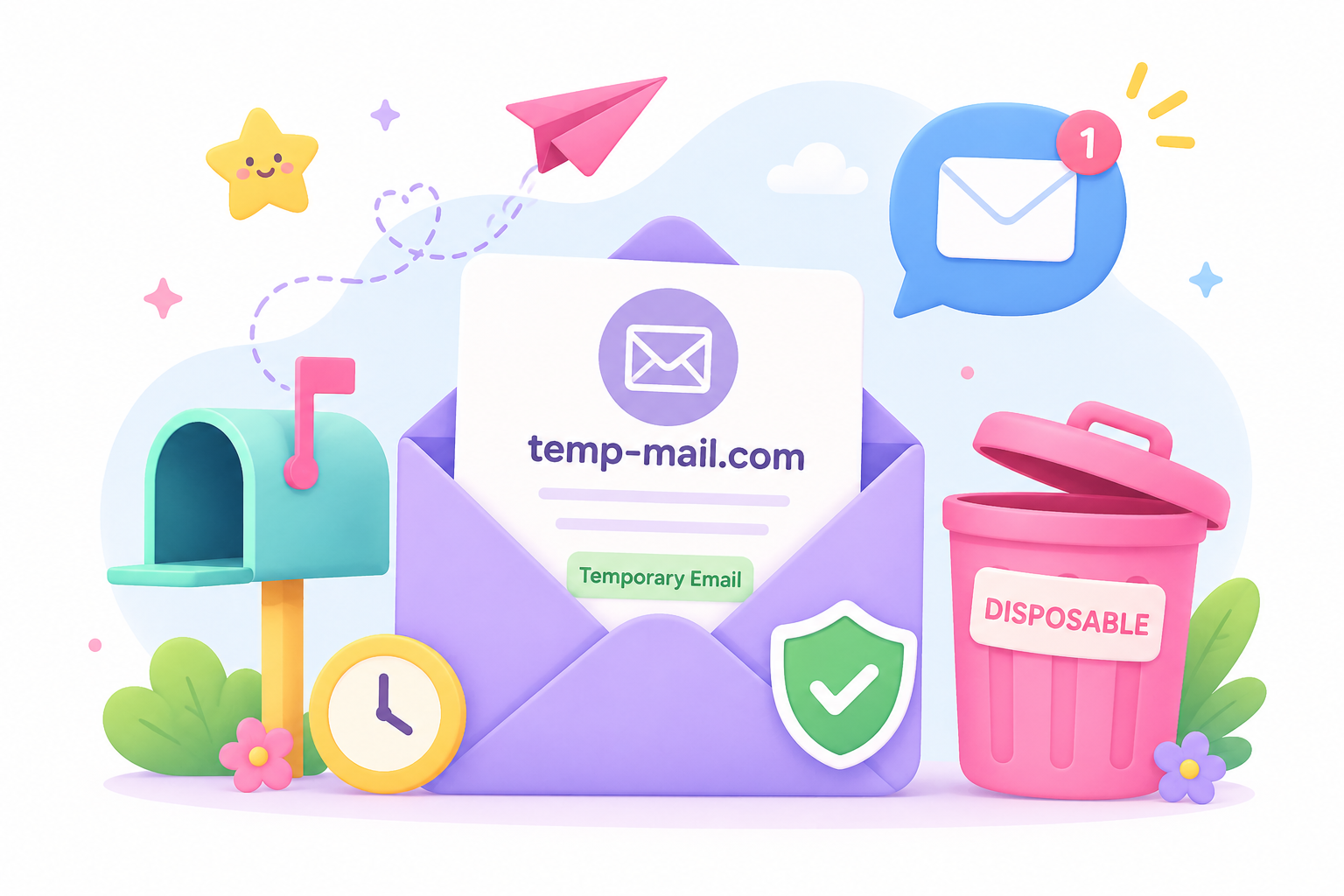
A disposable email address is a temporary email account created for short-term use.
People often use these accounts when they need to receive a message, complete a signup, or access a service without sharing their real email address.
Unlike a permanent email address, a disposable account is not designed for ongoing communication. Some temporary email addresses last only a few minutes, while others remain active for several hours or days before they expire or are removed.
They are also called throwaway email addresses or temporary email accounts. Each term describes the same thing: a working inbox that allows someone to receive messages without exposing an individual's email address.
Getting a disposable email address is usually much faster than creating a traditional email account. Some services generate a temporary address immediately after you visit the site, allowing you to start receiving messages right away.
Once the address is created, it is connected to one of the provider's temporary inboxes. Any message sent to that address appears there almost immediately.
You can open the inbox, read incoming messages, and access verification links or account activation emails if needed.
For example, someone signing up for a software trial may generate a temporary address, enter it during registration, and then check the inbox for the confirmation message. After the signup is complete, the address may no longer be needed.
The temporary inbox remains available for a limited time. The exact duration depends on the service and may range from a few minutes to several hours or longer. When that period ends, the inbox self-destructs, and its contents are deleted automatically.
People use disposable email addresses for different reasons. Their usefulness often depends on what someone is trying to do and how long they expect to keep the address.
Some people prefer not to share their main email address every time they join a website or download content.
A disposable email gives them a way to receive messages without connecting the activity to their personal identity.
Online forms often lead to ongoing marketing emails after a signup is complete.
A disposable address can be used to receive the initial message without filling a personal inbox with future promotions.
It can also reduce unwanted spam emails and other forms of spam that may arrive after registering on unfamiliar websites.
Developers, testers, and curious users sometimes create temporary email addresses when they want to explore a new service.
They can register for an account, receive setup instructions, create a password, and test features without committing to a long-term account.
Some promotions only require an email address to claim a discount code, access a resource, or join a limited-time offer.
People may use a disposable email to sign up, receive the offer, and move on without keeping the address afterward.
Several disposable email services allow users to generate disposable email addresses for short-term activities such as signups, testing, or receiving a confirmation message after subscribing to a blog.
Some common examples include:
The main difference is that a disposable email address is designed for temporary use, while a regular email account serves as a long-term primary address for ongoing communication.
Disposable email addresses are generally safe for one-time signups, downloads, and similar activities. However, they are temporary by design and aren't meant to replace the email account you use regularly.
A disposable email can limit how often a personal inbox is shared online. Since it provides a unique email address, it can be used for a specific interaction without exposing the account someone uses every day.
Disposable email addresses are sometimes compared to alias email addresses, but they serve different purposes. An alias remains connected to an existing account, while a disposable email is usually created for temporary use.
A temporary address can also reduce exposure to unwanted messages from an unfamiliar website or future spam list. Since the address is separate from a personal inbox, it limits how often that inbox is shared online.
The biggest limitation is that disposable email addresses are not designed to last. Once the address expires, access to stored messages may be lost permanently.
Recovery options are limited once a disposable address expires, and there may be few tools available to manage the inbox. Some providers also use public inboxes that can be accessed by multiple recipients.
For that reason, disposable email addresses are generally best suited for short-term use and situations where long-term access to messages is not required.
Disposable email addresses can be helpful in certain situations, but businesses often see a different side of them. When temporary addresses appear in signups, trials, and downloads, it becomes harder to identify which contacts have a real long-term interest.
Disposable email addresses can make it difficult to separate genuine prospects from low-value signups. Some people use temporary addresses to access content, start a trial, or create an account without any intention of becoming a customer.
In certain cases, throwaway accounts are created repeatedly to take advantage of the same offer or trial. Businesses may also deal with bad actors who use temporary addresses to get around account restrictions and platform rules.
Sales and marketing teams may invest time in leads who were only looking for temporary access and were never interested in becoming customers.
A contact database may appear to be growing steadily, but temporary email addresses can make those numbers misleading. Not every address added to the list reflects a genuine long-term interest.
Over time, disposable addresses can artificially increase the size of marketing lists and make reporting less reliable. Businesses may believe audience growth is improving when some of those contacts were never intended to become long-term subscribers.
That creates challenges for email marketers trying to understand audience growth, subscriber trends, and campaign performance.
People who use disposable email addresses often stop checking the inbox once they have completed the signup, download, or trial. Future emails sent to that address may never be opened or read.
As temporary addresses accumulate, engagement metrics can become less representative of actual audience interest. Campaign reports may show lower activity because some inboxes are no longer being checked.
Businesses may end up with large groups of inactive subscribers who contribute little engagement. That makes it harder to understand how customers are responding to campaigns.
What worked as a valid address during signup may not exist a few weeks or months later. When emails can no longer be delivered, hard bounces become more common, and a growing number of expired contacts can contribute to a high bounce rate.
That can reduce database accuracy and create extra work to keep subscriber records current.
Yes. Businesses can often identify disposable email addresses by checking the domain attached to the address. If multiple temporary addresses come from the same domain, that domain may already be recognized as a disposable email provider.
However, disposable addresses are not always easy to spot manually. They can look like normal emails during signup, especially when users generate new addresses for each form or account. For this reason, businesses use automated tools to screen emails before they enter a database.
These tools can compare the email domain against known disposable domain lists, review address patterns, and flag addresses that may not be suitable for long-term communication. This helps businesses easily identify temporary emails before they affect data quality.
Disposable, invalid, and catch-all email addresses are often confused, but they are not the same.
Each type presents different challenges, which is why businesses evaluate them separately.
Modern email verification platforms use several methods to identify disposable email addresses.
One common approach is checking the domain against databases of known temporary email providers. Verification systems can also evaluate domain characteristics commonly associated with disposable email services.
Some platforms continuously update their disposable domain databases as new providers appear. This helps businesses identify temporary email addresses before they enter customer or subscriber databases.
Preventing disposable email addresses from entering your database is often easier than removing them later. A few proactive steps can help businesses maintain a healthier email list and reduce issues that may affect data quality and sender reputation.
Making email validation part of the registration process helps reduce the number of temporary addresses entering your system. Contacts can be screened before accounts are created or records are added to the database.
Many businesses maintain lists of disposable email domains that are commonly associated with temporary email services. Blocking those domains during registration can stop known disposable addresses from entering the database in the first place.
Real-time verification automatically evaluates email addresses as they are submitted. This allows businesses to identify temporary or questionable addresses immediately and take action before the signup is completed.
Disposable email addresses can still find their way into a database over time. Regular audits help businesses identify questionable contacts, review signup activity, and log patterns that may indicate temporary or low-quality addresses.
Reviewing contact records before sending an email campaign can help reduce unnecessary risk. If an address appears inactive, suspicious, or unlikely to respond, removing it from future sends can help maintain a cleaner database.
Disposable email addresses can affect lead quality, subscriber data, engagement reporting, and long-term list health. Detecting them before they enter a database helps businesses maintain more accurate contact records.
Listmint helps businesses screen email addresses during both bulk verification and real-time verification workflows.
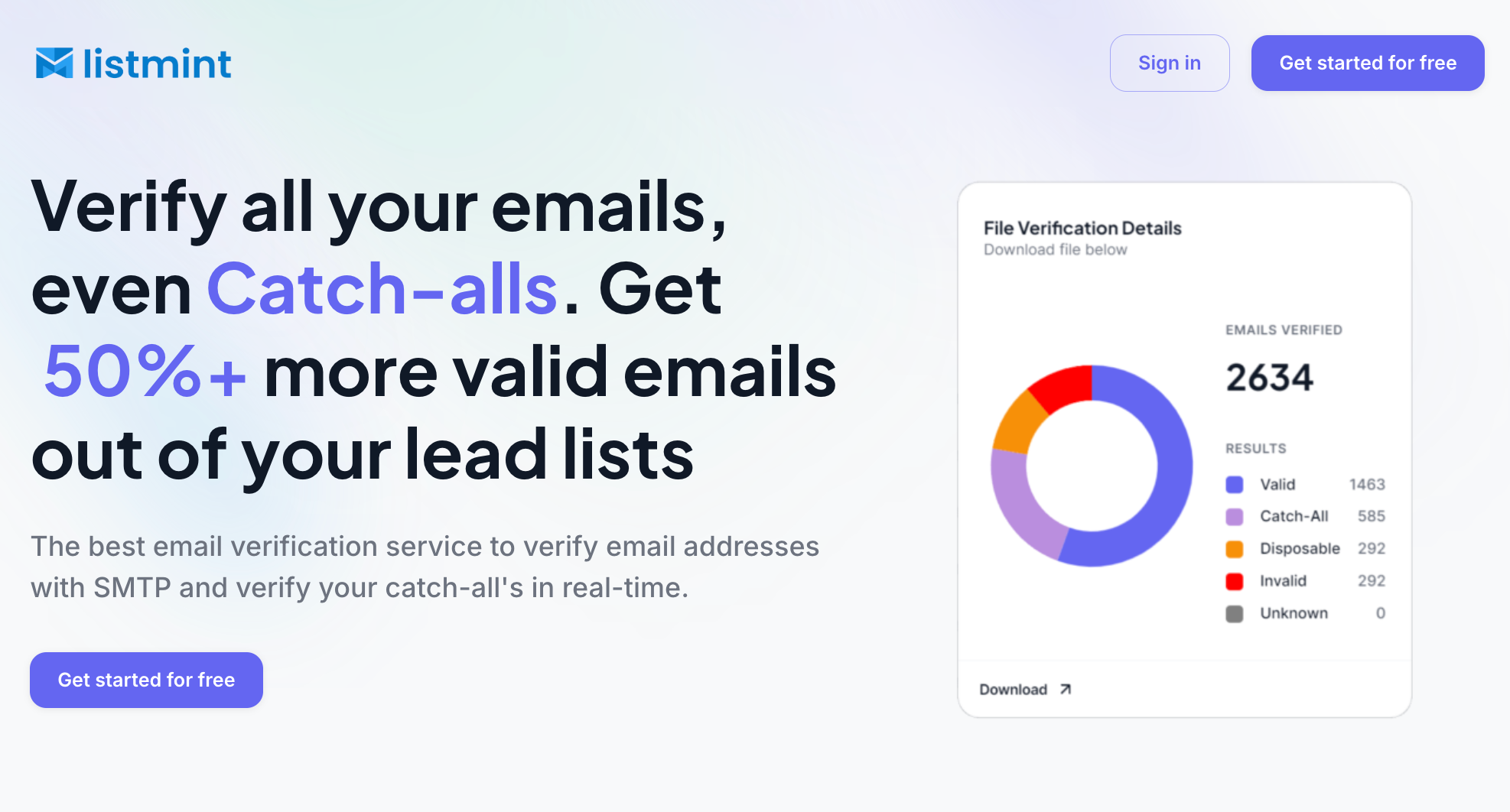
This helps teams review contacts before they enter subscriber databases, supporting cleaner records and more reliable reporting.
You can also use the email verification API to screen email addresses during signup, registration, and account creation. This helps prevent temporary addresses from entering databases in the first place.
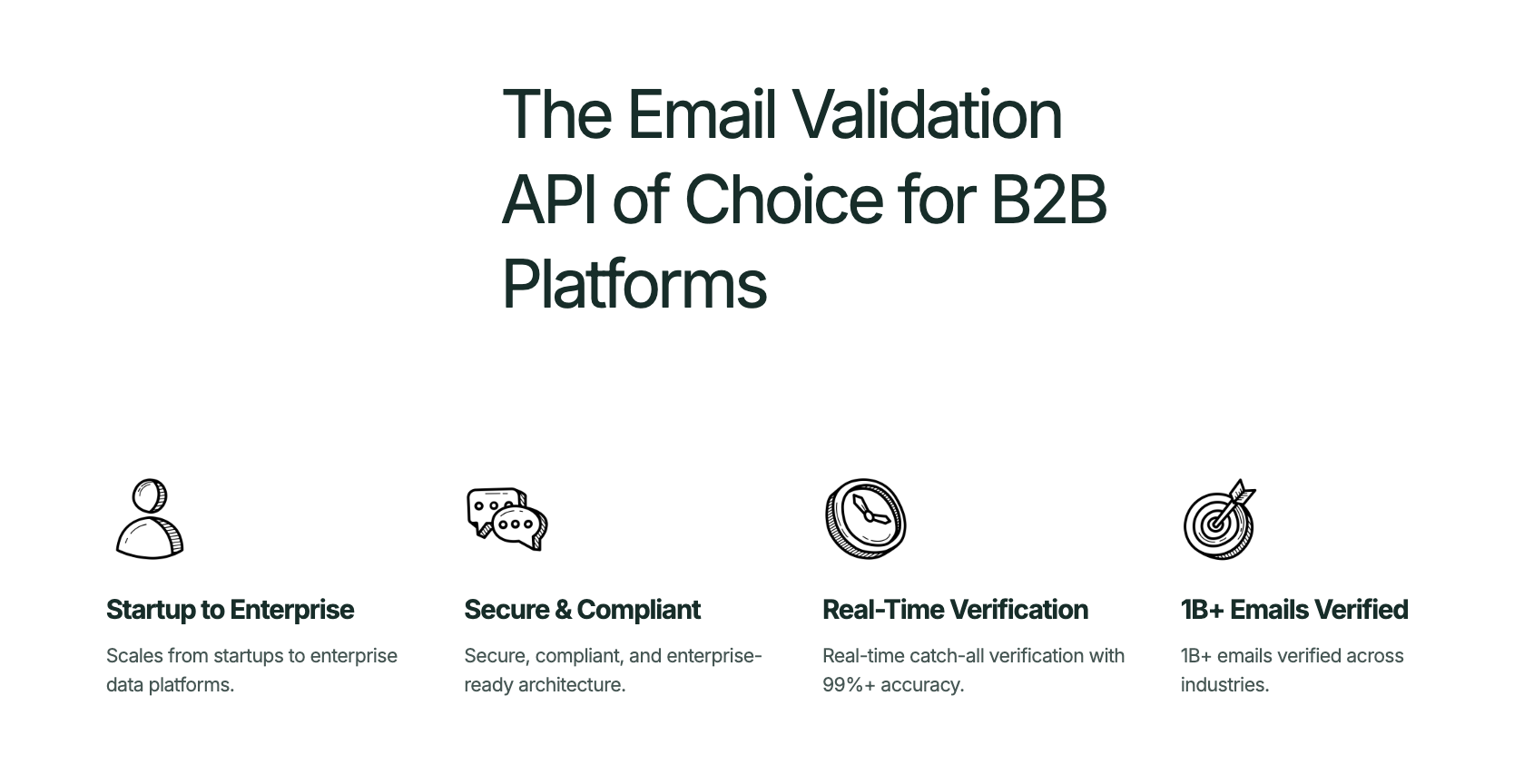
Beyond standard email verification, Listmint verifies both standard email addresses and catch-all emails in a single platform.
While many verification tools simply label catch-all emails as risky or unknown, Listmint verifies them in real time and classifies them as catch_all_valid or catch_all_invalid without sending verification emails or requiring long waiting periods.
This gives businesses access to more usable contacts, cleaner subscriber lists, and better email deliverability while reducing unnecessary bounces.
Disposable email addresses are temporary email accounts that people often use for privacy, one-time signups, free trials, and short-term online activities.
While they can be useful for users, businesses often monitor them because they can affect lead quality, subscriber data, engagement metrics, and long-term list accuracy.
Email verification helps identify disposable email domains before they enter a database, making it easier to maintain cleaner contact records and more reliable email performance.
If your business wants to reduce temporary signups, improve data quality, and protect deliverability, Listmint helps identify disposable email addresses while verifying both standard and catch-all emails in real time.
No. Disposable email addresses are legal in most jurisdictions and are commonly used for privacy, testing, and one-time registrations. However, using them for fraud, abuse, or to circumvent bans imposed by a website or service may violate that platform's terms of use.
Yes. A disposable email address can receive emails while it remains active. Once the address expires or is deleted, messages sent to it may no longer be delivered.
Usually not. Most disposable email services remove the address and its messages after the expiration period ends. Recovery options are often limited or unavailable once the address has expired.
Some websites block disposable email addresses because they can lead to inaccurate user data, repeated registrations, and temporary signups. Companies often restrict these addresses to improve account quality, maintain reliable contact records, and support long-term communication.
Yes. Disposable email addresses can affect email marketing performance when they enter subscriber databases. Temporary addresses may expire or become inactive, which can reduce engagement quality and make contact data less reliable over time.