Email marketing continues to deliver one of the highest returns in digital marketing, generating an average return of $36 for every $1 spent, according to Litmus.
With returns like that, it’s no surprise email remains a core part of many marketing programs. A campaign can look polished, include a great offer, and still fall short of expectations.
Some email marketing challenges are easy to catch. Others work quietly in the background, affecting email deliverability, engagement, and revenue long before they become obvious.
Fortunately, most of these problems can be corrected once you know what’s causing them.
This guide covers 13 common email marketing mistakes that hold campaigns back and explains how to fix them before they become bigger problems.
Getting emails into the inbox has become more challenging as inbox providers like Gmail and Yahoo continue tightening their sender requirements.
They recommend keeping spam complaint rates below 0.1% and warn that rates above 0.3% can trigger delivery problems and increased filtering.
That is why good content can still underperform. Your offer may be useful, your newsletter may look polished, and your product update may be relevant, but weak list quality or poor engagement can still hurt inbox placement.
This happens because algorithms prioritize user engagement signals, like opens and replies, over actual copy quality. If your setup is weak, even a well-written sales email can struggle.
A low sender score stops your campaigns before subscribers ever get a chance to read them.
Many email marketers mistake low open rates for bad writing when the real culprit is often poor list quality, weak engagement, or deliverability issues.
To fix this, look at your technical health. Check your authentication records and clean your list to remove inactive addresses.
Watch your daily metrics to catch spikes in complaints early. Fixing these issues first gives your content a much better chance of reaching the people it was written for.
Most email marketing problems do not come from a single major mistake. They usually develop through a series of smaller issues that affect deliverability, engagement, and campaign performance over time.
The 13 mistakes below are some of the most common reasons email programs underperform, along with practical ways to identify and fix them.
Many marketers assume that every address on their list is valid. Some collect emails through forms, imports, event registrations, or CRM exports and start sending campaigns immediately. Others verify their list once and never revisit it.
The problem is that email data changes constantly. People switch jobs, abandon old accounts, and leave companies. A healthy contact list today can contain invalid addresses a few months later.
Sending emails to invalid addresses increases bounce rates and puts your sender reputation at risk. As bad data builds up, inbox providers may become more cautious about future campaigns.
Messages that should reach subscribers can end up filtered by spam filters, delivered to the spam folder, or routed to the junk folder instead of the inbox.
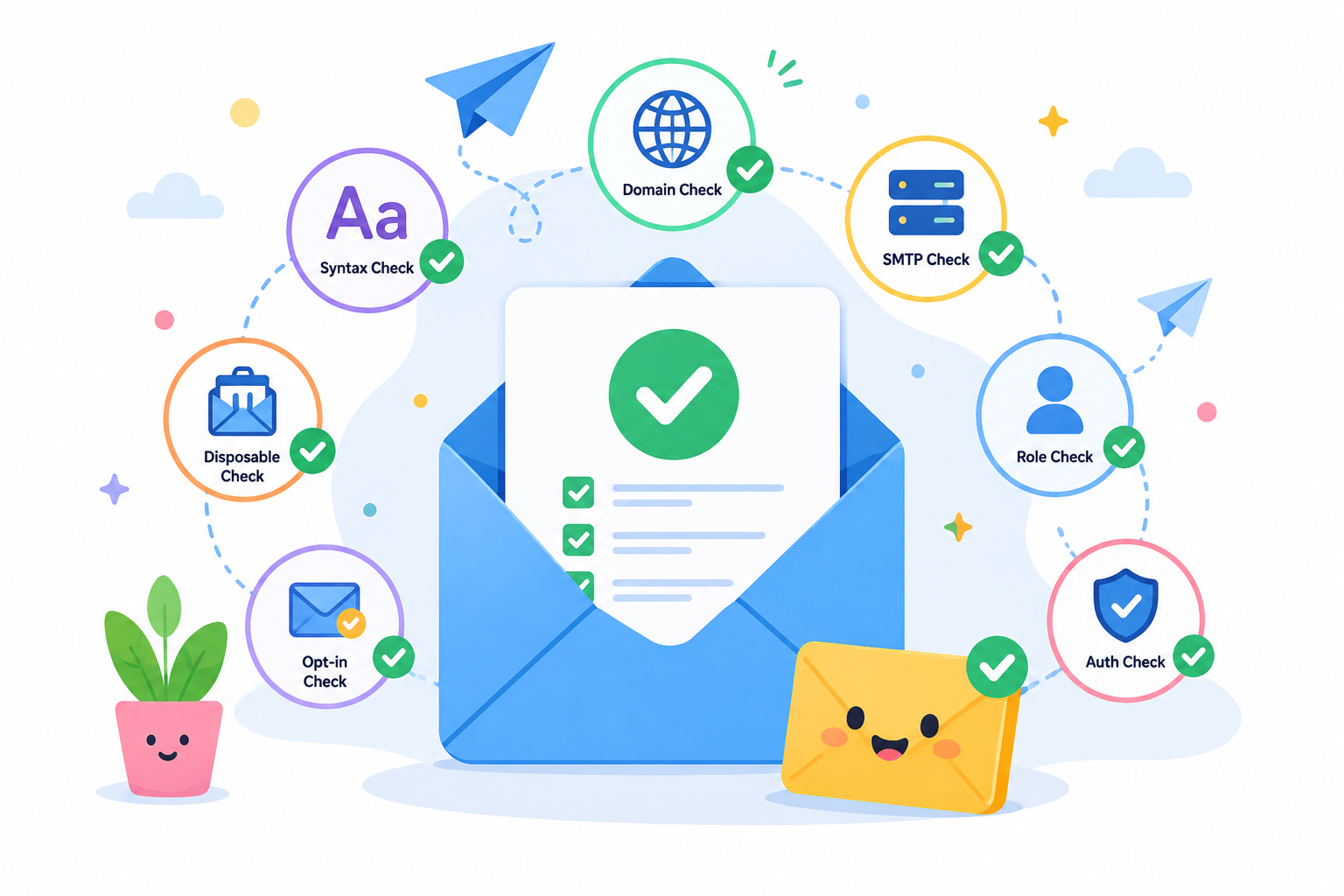
Regular email verification helps identify invalid, risky, and outdated addresses before they affect campaign performance. It can also help uncover harder-to-verify records, including addresses associated with catch-all domains.
This is where Listmint can help.
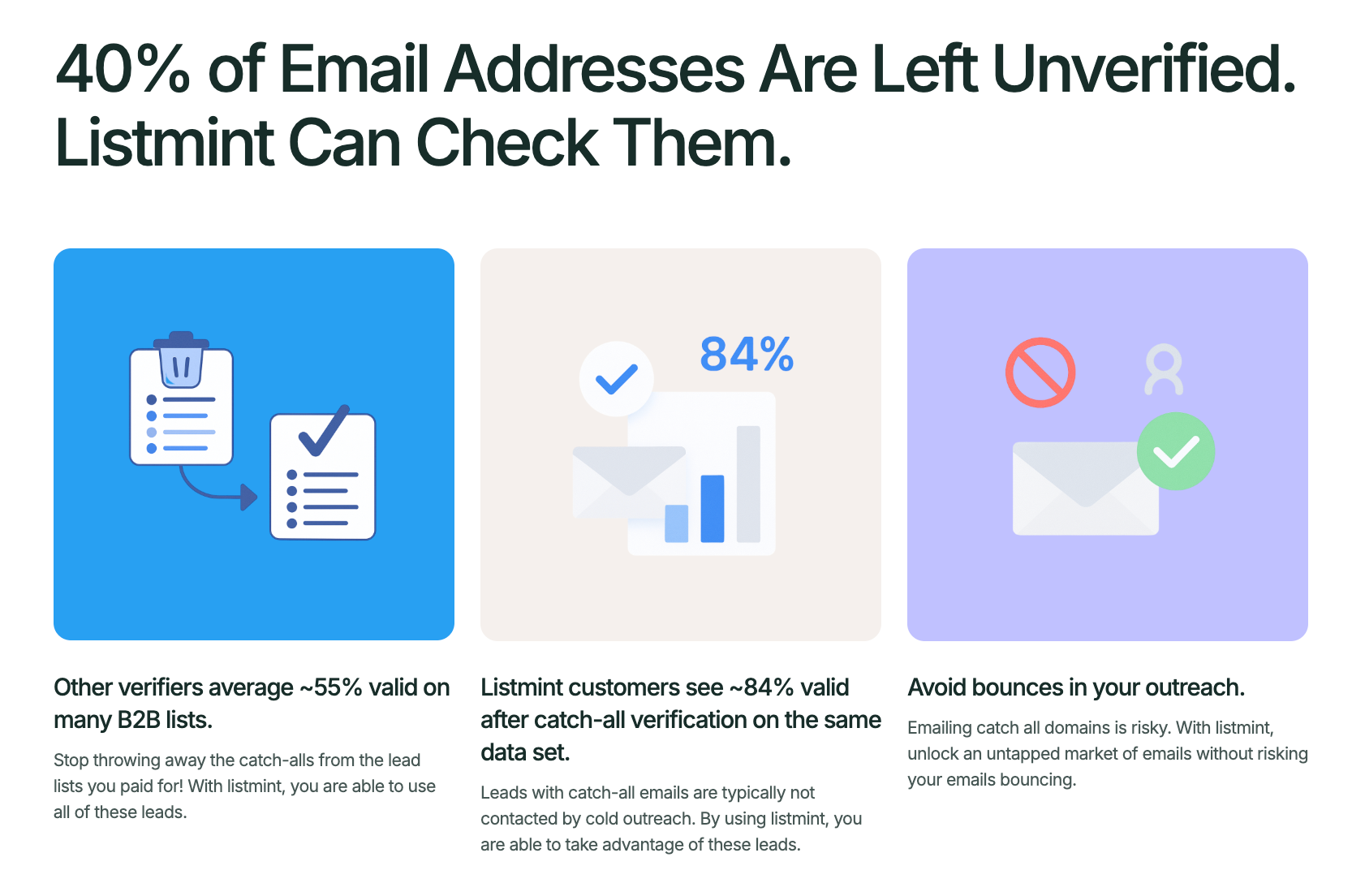
In addition to standard email verification, Listmint performs deeper catch-all email verification to help marketers make more informed decisions about addresses that other tools often classify as unknown.
Purchased lists look appealing because they promise quick access to thousands of contacts. Growth pressure can push businesses to buy databases when they want to reach more potential customers fast.
People on these lists never asked to hear from your business. That makes unsolicited emails more likely to trigger spam complaints, unsubscribes, and poor engagement.
Bought databases can also contain outdated addresses, inactive accounts, and spam traps. These contacts can damage email deliverability and signal poor list practices to inbox providers.
There are compliance risks, too. Under the CAN-SPAM Act, commercial emails need a valid physical address and a working unsubscribe link. Purchased lists make those risks harder to manage because consent and source quality are often unclear.
Build your list through opt-in forms, lead magnets, newsletters, webinars, referrals, and checkout signups.
Permission-based growth takes longer, but it gives you a cleaner audience made up of people who actually want to hear from you.
Inactive subscribers accumulate naturally over time. People change jobs, lose interest, or simply stop opening your messages. Keeping these email subscribers on your active list can quietly hurt performance.
Inbox providers monitor how your audience responds to future communications.
If a large portion of your list ignores your emails, mailbox algorithms may assume your content is less relevant. This creates artificially low engagement metrics and weakens customer engagement over time.
That lack of response can reduce deliverability and make it harder for future campaigns to reach the subscriber's inbox.
Regular email hygiene helps keep your list healthy. Implement sunset policies that identify contacts who have not engaged within a defined period. Run targeted re-engagement campaigns that give subscribers a reason to stay on the list.
If they remain inactive, move them to suppression lists. Consistent email list cleaning helps maintain a more engaged audience and improves long-term campaign performance.
Sending the exact same message to every subscriber may save time, but it usually hurts relevance. Your audience consists of people at different stages of the customer journey, with different goals, interests, and buying intent.
A customer who made a purchase yesterday rarely needs the same email as someone who joined your list for the first time. Yet many businesses continue relying on generic email blasts that treat every subscriber the same.
When content does not reflect customer interests or purchase history, engagement starts to decline. Subscribers become less likely to open emails, click links, or pay attention to future messages.
Over time, irrelevant messaging leads to lower open and click rates and more unsubscribes.
Use audience segmentation to organize subscribers based on behavior, engagement, customer status, or lifecycle stage. Combine that with behavioral targeting to send content based on actions people actually take.
A message sent to a specific target audience will almost always perform better than sending the same message to your entire list.
Subscribers join email lists for specific reasons. Some want educational content while others want product updates, industry insights, or special offers. Problems start when the content people receive no longer matches what they signed up for.
Imagine someone downloads a guide and immediately starts receiving sales emails every few days. Another subscriber signs up for a monthly newsletter but suddenly receives daily sales messages.
These expectation gaps create frustration. Subscribers who were once genuinely interested may stop opening emails, unsubscribe, or mark messages as spam. Trust begins to weaken because the experience no longer matches what the email recipient expected.
Set expectations early and stick to them. Tell subscribers what type of content they will receive and how often they can expect it.
Review your campaigns regularly to make sure the content aligns with why people joined your list. Not everyone is ready to buy immediately, and subscribers are more than just buyers.
Respecting intent helps build stronger relationships and encourages long-term engagement.
Many businesses assume that more emails will generate more clicks and sales. The opposite often happens when subscribers start hearing from you too frequently.
Every email competes for attention. When people receive too many marketing emails, they begin ignoring them, deleting them without reading, or disengaging completely.
The first warning signs are usually declining opens and clicks. If the volume continues, subscribers may start using the unsubscribe button or reporting messages as spam. Rising spam complaints can damage deliverability and make future campaigns harder to place in the inbox.
There is no perfect sending frequency for every business. What works for one audience may overwhelm another.
Pay attention to engagement trends and monitor how subscribers respond as volume changes. If opens, clicks, and conversions begin to decline, it may be a sign that your audience has reached its tolerance level.
Every email should give subscribers a reason to open the next one. That usually comes from delivering value consistently, not from increasing send volume.
A subscriber's first interaction with your brand often happens right after signup. Yet some businesses collect email addresses and then stay silent for days or weeks. That gap can weaken interest before the relationship even begins.
Without a welcome email, new subscribers may forget why they joined your list or what they signed up to receive.
The result is lower engagement, confusion about future communications, and missed opportunities to build trust early. It also makes later email communications feel less familiar because subscribers never received an introduction to your brand.
Send a welcome email immediately after signup while interest is still high. Use it to introduce your brand, explain what subscribers can expect, and set expectations for content frequency.
A good onboarding experience helps subscribers understand the value of staying on your list. It can point them to helpful resources, answer common questions, and create more opportunities to boost sales in the future.
The first email sets the tone for everything that follows. Make it count.
Your subject line determines whether someone opens an email or scrolls past it. Even valuable content can go unread if the subject line fails to grab attention or communicate what the email is about.
One of the most common mistakes is writing vague or generic subject lines that give subscribers little reason to click. Another is relying on misleading subject lines that promise one thing and deliver another.
Subscribers quickly learn which senders are worth opening. If the subject line repeatedly creates the wrong expectation, engagement starts to fall. Lower open rates often lead to reduced engagement throughout the rest of the campaign.
Focus on relevance and clarity. Subscribers should have a reasonable idea of what they will find inside the email before they open it.
A great subject line does not need tricks or exaggerated claims. It simply needs to reflect the content of the email and match what the audience expects.
When the subject line is relevant and useful, the message resonates more naturally with subscribers and gives the campaign a better chance of earning attention.
An email should help subscribers take the next step. Problems start when a single message asks people to do too many things at once.
Some emails ask subscribers to read a blog post, watch a video, follow social media accounts, download a guide, and schedule a demo in the same message.
When there are too many options, people often choose none of them. That confusion can hurt click-through rates and reduce conversions because subscribers are unsure what action to take.
The issue becomes even more noticeable when the email identifies a customer pain point but fails to show the most logical next step.
Start with one primary call to action. Decide what action is most important and build the email around that goal.
A conversion-focused design helps direct attention toward the action you want subscribers to take. Supporting links can still exist, but they should not compete with the primary objective.
When subscribers know exactly what to do next, engagement and conversions are much more likely to follow.
A large percentage of emails are opened on mobile devices, yet some campaigns are still designed primarily for desktop screens.
An email that looks great on a desktop can become difficult to read on a phone screen. Small text, crowded layouts, and tiny buttons force users to zoom, scroll excessively, or abandon the email altogether.
Poor formatting also hurts mobile readers who expect fast, easy interactions. Large image-heavy designs, including oversized generic stock photos, can slow loading times and push important content below the fold.
Accessibility can become another issue. Emails that ignore proper formatting may create a frustrating experience for people using screen readers.
The result is lower engagement, fewer clicks, and missed opportunities.
Start with mobile optimization in mind. Use responsive templates that adjust to different screen sizes, keep text easy to read, and make buttons large enough to tap comfortably.
Review emails on multiple devices before sending. Simple layouts, good readability, and accessibility-friendly design help subscribers engage with your content regardless of how they view it.
Sending campaigns without reviewing performance data makes it difficult to understand what is working and what needs attention. Every email campaign produces valuable feedback, yet those insights are often ignored.
When key email marketing metrics go unchecked, the same mistakes tend to repeat. A decline in engagement, rising complaints, or increasing bounce rates can continue for weeks before anyone notices.
Missed opportunities are another problem. A campaign may generate strong conversion rates or valuable website activity, but those insights have little value if they are never reviewed or applied to future campaigns.
Track the metrics that directly reflect subscriber behavior and campaign health.
Pay attention to:
Most email platforms provide reporting tools that make this data easy to review.
The numbers only become useful when they help guide better decisions for future campaigns.
Rushing to hit send without checking your links can create unnecessary friction. A subscriber may be interested in your offer, but a broken experience after the click can stop them from taking the next step.
A broken link can send valuable traffic to an error page, leading to lost revenue and wasted traffic. A faulty landing page can frustrate subscribers who expected to learn more, claim an offer, or complete a purchase.
Problems like these create a poor user experience and reduce the likelihood of conversion. In some cases, they can also make future campaigns less effective if subscribers lose confidence in the experience.
Send a test email message to yourself and your team before every launch. Click every link, button, image, and icon to confirm it leads to the correct destination.
Review each landing page and verify that every discount code works as expected before promoting it. A few minutes of testing can help prevent avoidable issues that affect campaign performance.
No-reply addresses are often used to reduce incoming messages and keep inboxes manageable. While that may seem convenient, it also removes an important communication channel between your business and subscribers.
A no-reply address tells the email recipient that communication only goes one way. Questions go unanswered, feedback opportunities are lost, and legitimate replies never reach your team.
That can lead to lower customer engagement and make relationship building more difficult. Subscribers are less likely to feel connected to a brand when communication only goes one way.
In some cases, it can also affect perceptions of your brand's reputation. A no-reply address feels less personal than a monitored inbox, especially when subscribers expect a response.
Use monitored inboxes whenever possible and allow subscribers to reply directly. If response volume is a concern, route replies to a support queue or shared mailbox.
Many marketing software platforms make it easy to organize incoming responses, while your email provider can help route messages to the right inbox.
Making communication easier for subscribers creates more opportunities for meaningful conversations and long-term engagement.
Many email marketing problems can be traced back to poor data quality.
Invalid contacts, outdated records, and unverified addresses affect more than deliverability. They can influence engagement, reporting accuracy, and the overall success of your email marketing efforts.
This is why list quality deserves ongoing attention.
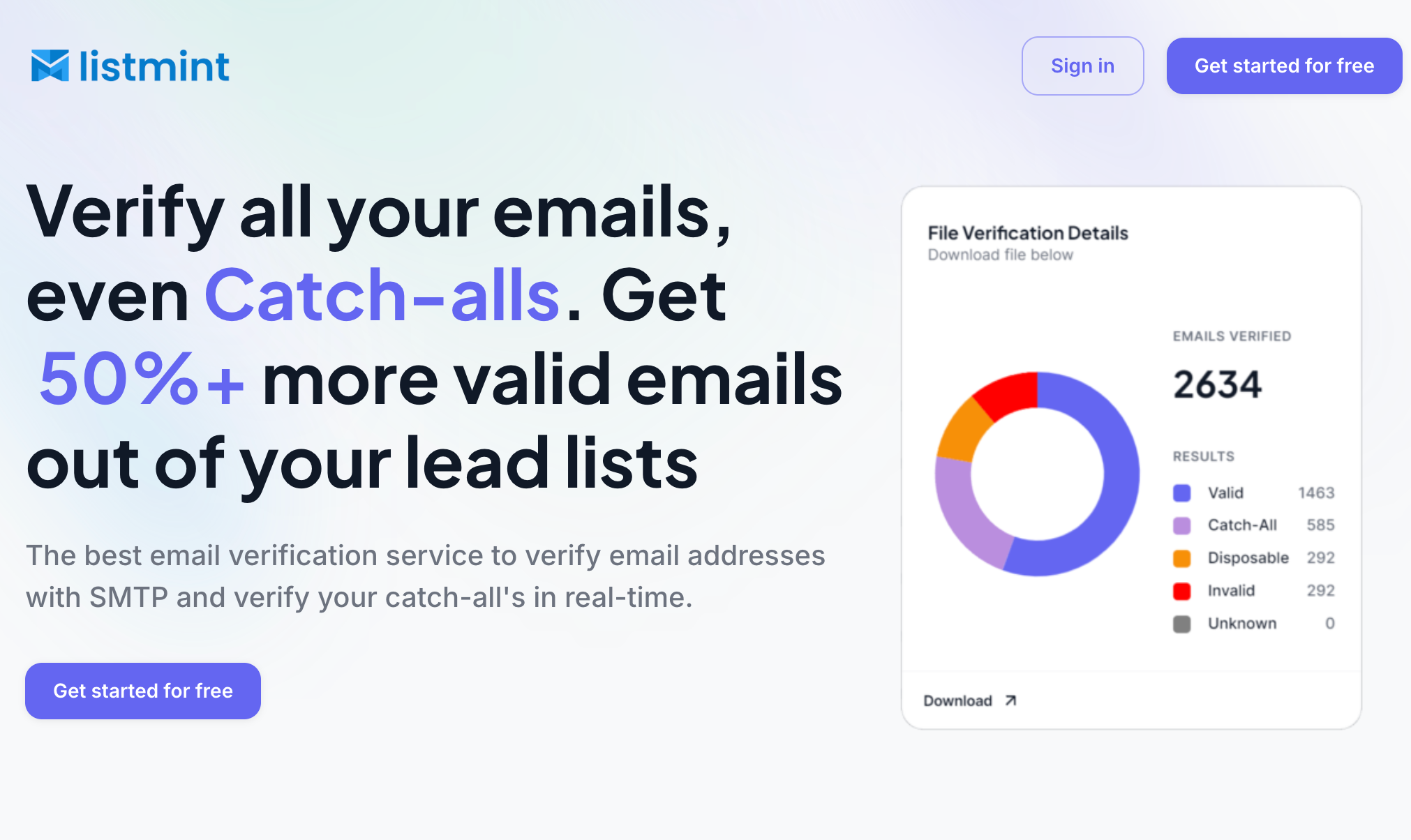
Listmint combines standard email verification with real-time catch-all email verification, helping businesses identify which addresses are safe to contact and which should be removed.
Unlike traditional tools that stop at catch-all detection, Listmint verifies catch-all addresses and classifies them as catch_all_valid or catch_all_invalid, allowing you to make decisions with confidence.
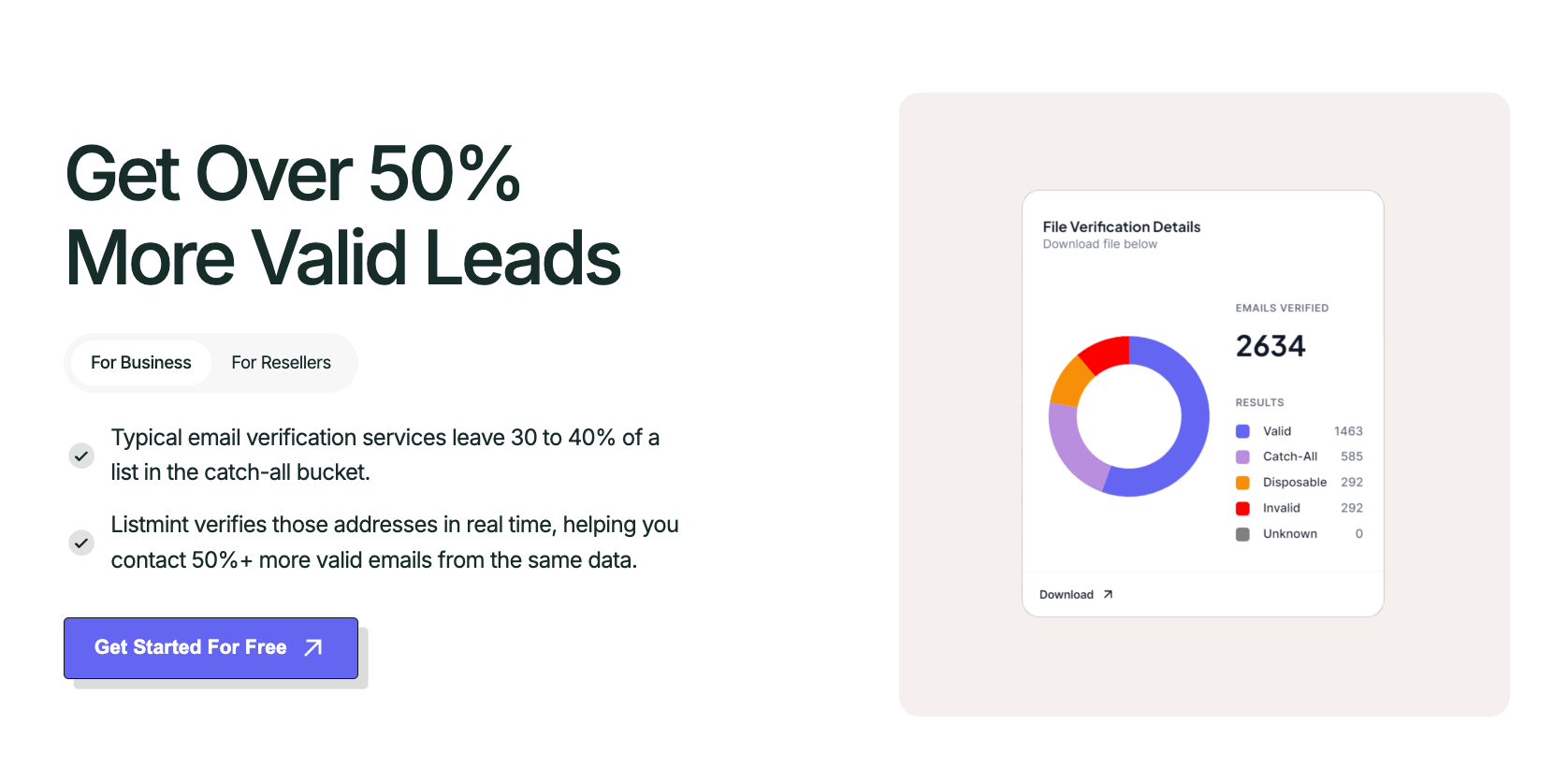
Listmint has verified more than 1 billion emails and reports over 99% SMTP verification accuracy and 99% catch-all verification accuracy. Users commonly recover 50%+ more valid leads from lists that would otherwise contain large numbers of unverified catch-all addresses.
If list quality is limiting your marketing strategy, Listmint helps you identify more valid contacts before they affect campaign performance.
Most email marketing problems are preventable. Poor deliverability, declining engagement, and disappointing campaign performance often start long before an email is sent.
Fixing list quality is one of the simplest places to start. Accurate data helps reduce unnecessary bounces, improve deliverability, and give your campaigns a better chance of reaching real subscribers.
Listmint helps businesses verify email addresses, validate catch-all emails in real time, and identify valid contacts with greater confidence. That means fewer unknown records, better data quality, and more opportunities to connect with the right people.
The 3-3-3 rule is a marketing framework that focuses on capturing attention quickly. Interpretations vary by industry, but the general idea is to communicate a clear message in a short amount of time.
The five Ts of email marketing commonly refer to Targeting, Timing, Testing, Tracking, and Tailoring. Together, these principles help businesses send more relevant emails and improve campaign performance.
The 80/20 rule suggests that roughly 80% of email content should provide value to subscribers, while 20% can focus on promotions or sales. This approach helps maintain engagement without overwhelming subscribers with constant offers.
Common email marketing mistakes include sending emails without verifying your list, buying email lists, ignoring inactive subscribers, sending irrelevant content, over-emailing subscribers, and failing to test campaigns before launch. These issues can affect deliverability, engagement, and overall campaign results.
Email strategy starts with a clean contact list, clear audience segmentation, relevant content, and consistent performance tracking. Many businesses also use email marketing automation tools to manage campaigns, personalize messaging, and scale communication while maintaining a better subscriber experience.